

SKU:TTS-1004
Titanium Trauma Splint 100x 0.2mm
Titanium Trauma Splint 100x 0.2mm
Couldn't load pickup availability
TTS - Titanium Trauma Splint designed for stabilizing teeth after trauma (during repositioning or replantation procedures)
- flexibility to adapt to the physiological requirements of teeth after trauma
- compared to classic splints, it provides the patient with significantly higher comfort during speaking/eating
- practically does not hinder oral hygiene
- made of titanium
- easy adaptation (can be cut to the appropriate length) and attachment
- easy removal
- small dimensions – 10cm × 0.2 mm
- provides good visibility
- matte
1. Fitting the splint
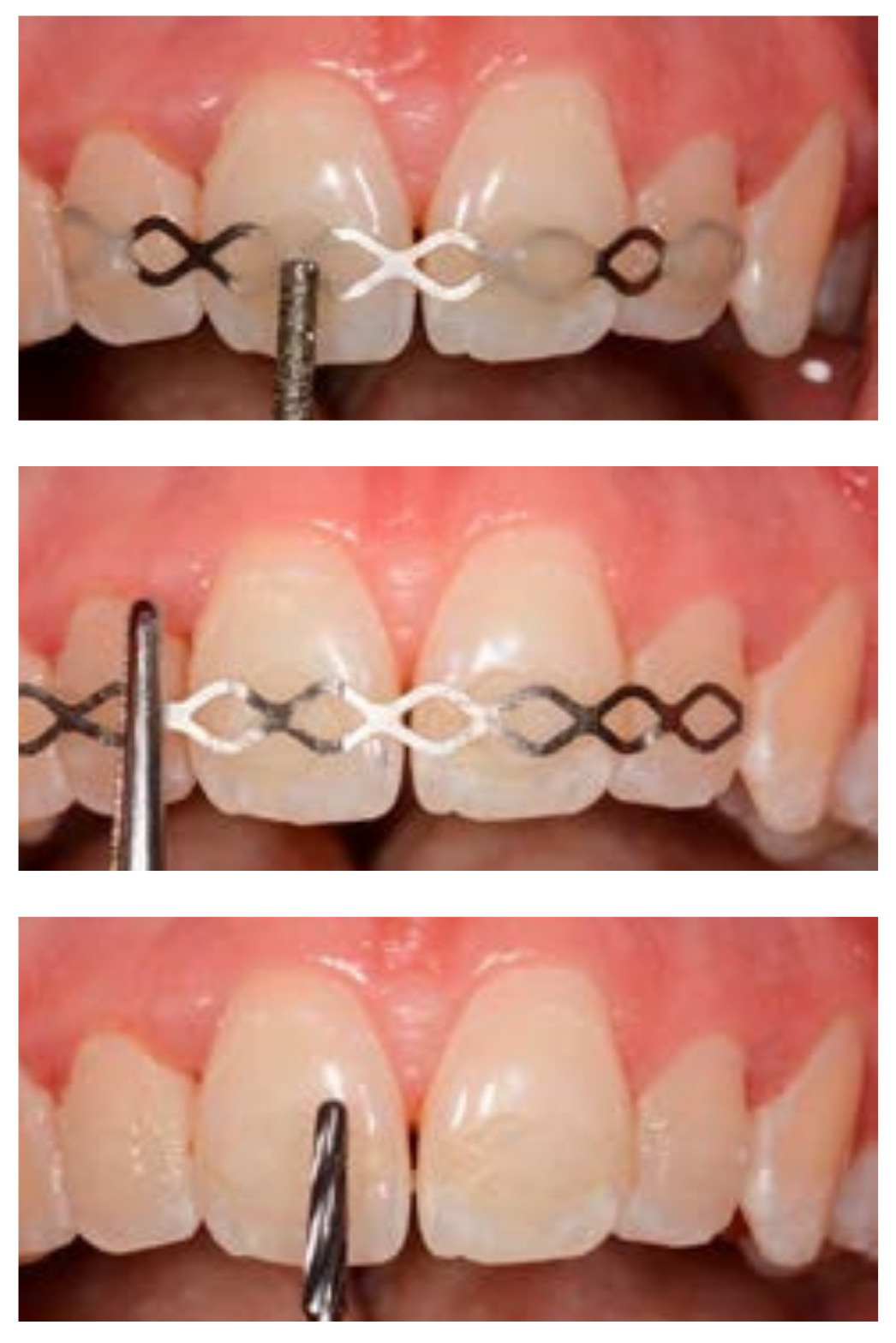
The splint should be fitted to the patient's dentition and arch shape. Cut the splint to the desired length (e.g., using a crown cutter or side cutter). Manually shape the splint according to the curvature of the dental arch. Do not use any tools to bend the splint. Note: To achieve adequate stabilization of teeth after trauma/replantation, the splint should cover at least two healthy teeth. Warning: Do not repeatedly bend the splint in opposite directions, as this may cause it to break.
2. Cleaning the tooth surface
Thoroughly clean, rinse, and dry the enamel surface.
3. Etching the tooth surface
Thoroughly etch the enamel surface with orthophosphoric acid, according to the manufacturer's instructions.
4. Cementing the tooth surface
Apply the adhesive (cement), according to the manufacturer's instructions. Light-cure the cementing agent as described by the manufacturer.
5. Placing the splint
Place the splint manually or using tools. Ensure that the rhomboidal holes in the splint are aligned with the etched/cemented surfaces. Warning: Remember to place the splint at a certain distance from the gum.
6. Securing the splint using flowable composite
Secure the splint on both sides of the traumatized/replanted tooth/teeth by applying flowable composite in the rhomboidal holes of the splint, according to the composite manufacturer's instructions. Light-cure the composite as described by the manufacturer. : traumatized/replanted tooth/teeth and cement it/them to the splint by applying flowable composite in the rhomboidal holes of the splint according to the composite manufacturer's instructions.
7. Warning
The splint should be secured flat and directly on the enamel surface to minimize the risk of irritation or inflammation of soft tissue. Improper composite bonding of the splint (e.g., due to insufficient drying/bonding) may result in loosening of the splint, which carries the risk of ingestion and aspiration of the product.
Note!
Using excessive amounts of composite can cause hygiene problems.
8. Final splint check:
Check the bite and the splint for sharp edges that could irritate the lips and soft tissue of the cheek. Warning: To avoid or minimize irritation of soft tissue, cover the ends of the splint with a small amount of composite.
Share